By Visa Arab Saudi Editorial Team · Published · 4 views
The return journey often receives less attention than the start of a holiday. By the final evening, the family may be thinking about photographs, shopping and one more meal. Yet a clear departure plan can make the end of a Saudi trip much easier, especially when different people are managing documents, bags and transport.
This Saudi return travel checklist for UAE residents helps organise the steps from accommodation to arrival back in the UAE. It covers current records, flight details, packing, checkout, pickup and follow-up. It is practical guidance, not an individual immigration decision or a substitute for airline instructions.
Check the official requirements that apply to your passport, UAE residence circumstances and actual itinerary before travelling. A previous successful journey does not answer every question about a changed record or booking. Visa Arab Saudi provides private assistance; the responsible authorities and providers control their own decisions and processes.
Begin the return plan before the final evening
Save the return booking when you first organise the trip. Record the operating flight, departure airport, local date and time, plus any confirmed pickup. You do not need to think about it constantly during the visit. You need a reliable place to find it when the return day approaches.
Review the details again once settled at the accommodation. A short check can reveal a midnight date, an unclear meeting point or a room checkout that does not match your assumptions. Those questions are easier to resolve with time available than while the group is already carrying bags toward the exit.
Keep the return record separate from arrival instructions
The outward journey and the return may involve different flight numbers, terminals and providers. Do not copy an arrival message and assume it works in reverse. Ask for the actual departure arrangement, including the pickup location and the contact route if something changes.
If several people are helping with the plan, identify one current version. Mark earlier proposals as replaced so a relative does not arrange transport using an old flight. A simple, dated summary is more useful than a long chat containing several contradictory timings with no indication of which one applies.
Check your passport and UAE residence position through official sources
Review the records relevant to your own return. If a passport or residence detail has changed, or you are unsure about the current position, ask the responsible authority and airline before departure. Do not treat a screenshot or another traveller's experience as an individual ruling for your circumstances.
The official UAE government page on general residence provisions explains that residence questions can depend on category and circumstances. Use current official channels to resolve uncertainty, rather than applying one broad rule from a travel conversation to every resident.
Keep Saudi travel permission and UAE return checks distinct
A Saudi visa relates to a different part of the journey from the permission or records used to return to the UAE. Check the actual issued conditions and relevant official requirements. Do not assume one document resolves every question in both directions simply because the trip was booked as a return journey.
For organising records, our Saudi visa document checklist offers useful prompts. If a passport has changed, read the passport renewal travel checklist and seek the appropriate confirmation for your individual case instead of editing or guessing at an issued document.
Read the ticket rather than relying on memory
Check the operating airline, flight number, airport and local departure date shown in the current booking. If a booking was changed, use the latest confirmation. A calendar reminder created before the change may no longer reflect the journey you are actually taking.
Pay attention to departures close to midnight. The date can be easy to misread when a family describes the trip as the night after the last hotel stay. Use a complete date and time in the final pickup message, with the relevant time zone clear to anyone organising from another country.
Follow current airline instructions
Ask the airline about the actual check-in and reporting arrangements for your booking. Do not use a general blog to set one universal airport arrival time for every traveller, terminal and itinerary. A connecting flight, support request or other circumstance may need specific confirmation.
Keep the booking reference and official contact route available offline. If a notification arrives, verify it through an established airline channel where appropriate. Avoid treating an unexpected message that changes payment or contact instructions as automatically genuine just because you are expecting travel updates.
Recheck the airport and terminal before pickup
The driver needs an exact destination, not only the city name. Use current airline or airport information to confirm the relevant airport and terminal arrangement. If the operating details change, tell the transport provider and ask for acknowledgement rather than assuming everyone has received the same notification.
Confirm where the vehicle will meet the group at the accommodation. A large property can have more than one entrance or pickup arrangement. Ask what you should do if the vehicle cannot reach the expected point, keeping any alternative within the provider's actual instructions.
Build the road journey into the plan
A flight time is not a pickup time. The journey to the airport, the agreed reporting arrangement and practical steps at the accommodation all need consideration. Use current route information as a planning aid, not a promise that every journey will take the shortest displayed interval.
If the group has an activity before departure, check the whole sequence carefully. A short visit can still create a difficult day when it involves collecting stored bags, finding a second vehicle and reaching an unfamiliar terminal. Protect the return journey before adding another attractive stop.
Pack against the return baggage arrangement
Review the allowance and conditions attached to the actual return flight. Do not assume the outward arrangement is identical, particularly if airlines, fares or bookings differ. Check the airline's current guidance for cabin and checked items before relying on a packing plan.
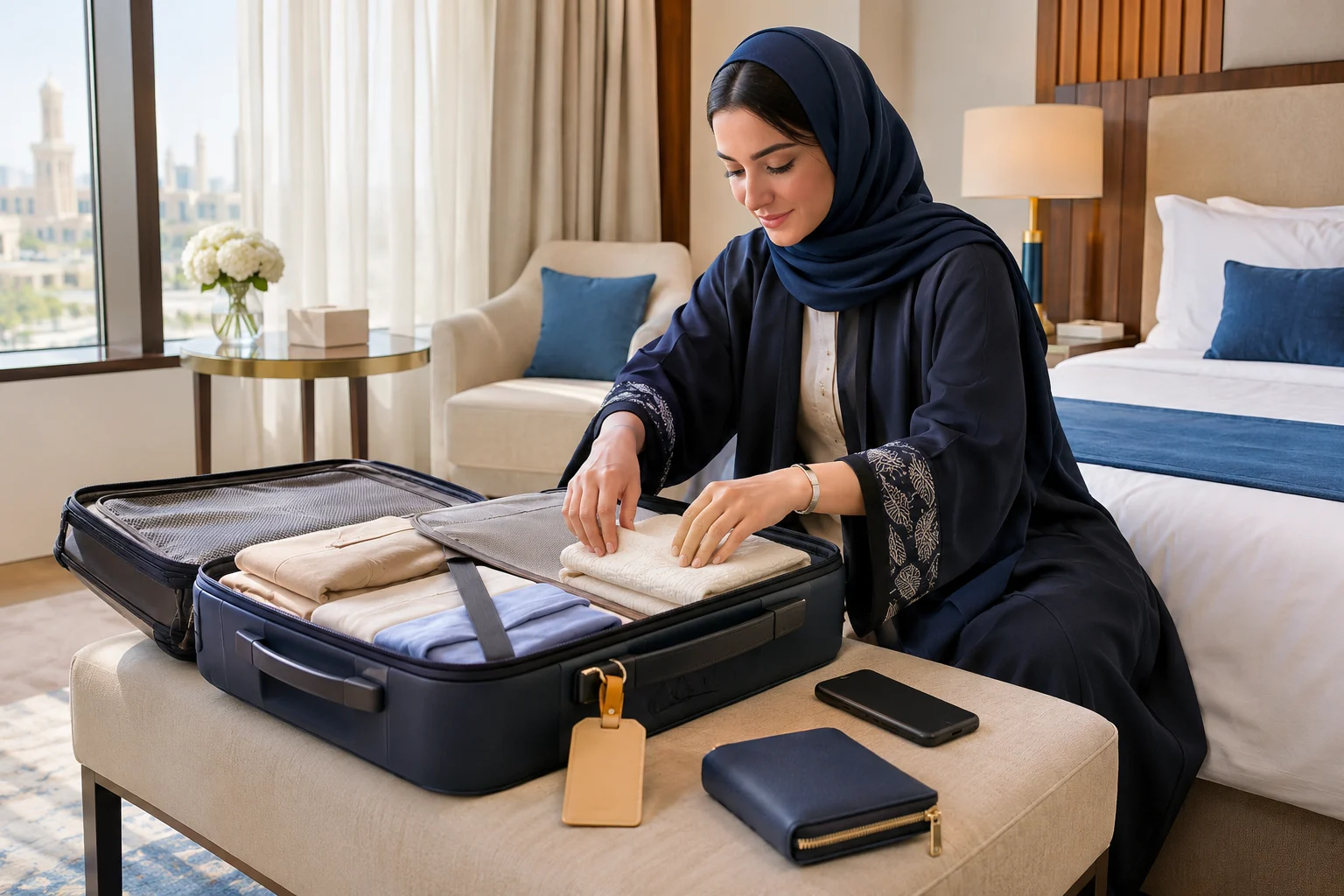
Count the bags and consider purchases made during the visit. A suitcase that closed easily on arrival may need a different arrangement after shopping. Resolve the question before leaving the accommodation rather than discovering at the airport that nobody has checked how the extra items will travel.
Keep important records reachable
Place the relevant travel records and essential contact details where you can reach them securely during the journey. Avoid putting the only useful copy inside a large bag you may not access when needed. A simple document wallet or organised small bag can make the process easier.
Save key details offline where practical. A phone battery or connection problem should not be the only thing standing between you and the booking reference. Share a suitable practical summary with another responsible traveller without circulating unnecessary identity or payment records.
Check purchases and uncertain items before departure
Airline baggage limits and customs requirements answer different questions. An item can fit within a bag and still need an official check about whether it may be carried or declared. Look into uncertain items before buying or packing them, rather than relying on the final airport conversation to settle everything.
Use the Saudi Zakat, Tax and Customs Authority's traveller declaration guidance for relevant Saudi questions, and the responsible UAE customs authority for requirements on arrival. The applicable answer depends on what you carry and the current rules, not a general souvenir checklist.
Do not use another person's experience as permission
A friend saying an item was never checked does not establish the rule for your journey. Seek official clarification where needed and keep relevant supporting information organised. Do not carry an uncertain item for someone else merely because they describe it as harmless or routine.
Keep this review separate from the enjoyable shopping part of the trip. It can be a short practical task, with one person noting questions and the responsible traveller obtaining the answer. The aim is a clear packing decision based on current information, not a hurried guess after the bags are closed.
Arrange accommodation checkout deliberately
Ask the property about the actual checkout arrangement and any confirmed service you intend to use afterwards. Do not assume that a late flight automatically means the room remains available. If extended access matters, clarify what can be confirmed and what remains subject to availability or additional terms.
If bags will be held, ask about the current process, collection and relevant conditions. Keep any receipt or reference supplied. A storage arrangement should have its own clear handover rather than depend on leaving luggage somewhere because another guest appeared to do the same.
Leave time to review the room and belongings
Before leaving, check the areas where the group used or stored items. Look through drawers, cupboards and charging points without disturbing property that is not yours. Ask each traveller about their own belongings rather than assuming one person remembers everything used by the whole family.
Separate personal items from accommodation property. If unsure whether something belongs to the room, ask. A calm final check is easier than contacting the hotel from the airport about a missing charger, document wallet or bag left near the bed.
Confirm the transfer scope and waiting arrangement
Read the actual transport confirmation. Ask which journey, vehicle arrangement and luggage capacity are included, along with the pickup instructions. Do not assume a service booked for arrival also covers departure unless that is stated in the offer and confirmed for the actual date.
Check the contact method for a late vehicle, changed flight or delayed checkout. Save the provider's reply where it can be found quickly. A message saying pickup included is incomplete until the group knows where to meet and what to do if the expected sequence changes.
Match the vehicle to the return bags
Tell the provider about the realistic people and bag count, including any additional purchases or equipment. Seats and luggage space are separate questions. Ask for an arrangement suited to the actual load instead of relying on a broad vehicle category without context.
If a practical support requirement matters, confirm it before travel. Keep the request specific and share sensitive information only as needed through the appropriate channel. A transfer provider, hotel and airline each handle different parts, so their confirmations should remain distinct.
Keep the last day flexible enough to enjoy
Choose a final activity only after protecting the travel plan. A meal near the agreed route may work better than a distant attraction that creates a narrow chain of journeys. The best choice depends on your actual flights, group priorities and confirmed arrangements.
Do not turn the final day into an attempt to recover every idea missed earlier. A short break can be successful without completing a long checklist. Leaving with clear documents, collected bags and a calm meeting plan is a useful end to the visit, not a wasted sightseeing opportunity.
Explain the plan to the whole group
Tell everyone when bags need to be ready and where the group will meet, using the current confirmed details. Avoid several slightly different messages sent by different organisers. A clear summary reduces the chance that one person follows an old plan while another waits at the revised pickup point.
If the plan changes, replace the earlier version visibly. Explain the practical consequence and ask the relevant provider to acknowledge any change affecting its service. Do not assume that forwarding an airline notification automatically revises a separate transport or accommodation booking.
Handle a changed flight one service at a time
First confirm the flight change through the airline's established channel. Then identify which other arrangements it affects. A different departure time may change pickup, checkout or a separate onward booking, but it does not automatically alter those services without the relevant provider process.
Keep the current reference and response for each part. Ask about terms before accepting a revised service or additional charge. This guide does not interpret a contract for you; it helps make the questions clear so decisions are based on the actual arrangement rather than a rushed assumption.
Example: a later flight and an unchanged checkout
Imagine the airline moves the return flight later. The traveller contacts the accommodation provider about the interval and asks the transfer provider to confirm a revised pickup. They keep the replies separate and check whether any additional service is required before relying on the new sequence.
The useful result is a complete revised plan, not just a new flight screenshot. Each provider knows which part concerns it, and the travellers understand where they will be with their bags. The same method helps when the change involves an earlier departure, a different terminal or an altered destination.
Keep the arrival-back plan simple
Think about the final journey after reaching the UAE. Confirm the airport, expected arrival date and any booked pickup or parking arrangement. If someone is meeting you, send the current flight details and agree how changes will be communicated rather than relying on a rough arrival time remembered from departure day.
Keep important contact details available while travelling. Do not assume a phone service used abroad will be the only thing needed on return. The practical goal is a clear handover from flight arrival to the final journey home, with the group and bags accounted for.
Close any remaining travel tasks
After settling in, keep relevant receipts, provider confirmations and unresolved references in an organised place. If there is a baggage or service follow-up, use the appropriate provider process and note the next step. A short clear record is more useful than leaving everything mixed among holiday photographs.
Store identity and payment records securely, and share only what is necessary for a legitimate follow-up. A general travel summary can usually describe the issue and reference without including every document used during the visit. Ask the provider what information it needs and why.
Make a final return checklist you can actually use
Use headings for records, flight, airport, bags, accommodation, transport and arrival back. Write a short confirmed detail under each, with a separate list of unanswered questions. This makes it easier to see the real gap than repeatedly reading a long chain of booking messages.
For private assistance with Saudi travel planning, contact Visa Arab Saudi and explain the intended journey and specific questions. Review the Saudi travel services for the appropriate starting point, then ask for the actual available scope. Keep official decisions and individual provider commitments with the responsible parties.
Use a final evening review with clear responsibilities
Gather the current return details before the group starts packing. One person can check the flight and pickup while each traveller checks their own belongings. Keep the tasks specific. Asking whether everyone is ready can produce several yes answers while nobody has looked at the actual airport or bag arrangement.
Use a short review with three headings: confirmed, still to ask and ready for travel. A current flight confirmation belongs under the first. An unanswered checkout question belongs under the second. Packed bags and accessible documents belong under the third once the responsible traveller has checked them.
Turn an unclear point into one question
If the pickup message does not name the entrance, ask for that detail. If the accommodation arrangement does not cover the interval before a late flight, ask what is available and on what terms. A precise question is easier to answer than a long message saying the whole return plan feels confusing.
Record the reply with the relevant booking. Do not rely on someone remembering a telephone conversation while managing several other tasks. A short note of what was confirmed and through which provider can help the group follow the current arrangement without repeatedly asking the same question.
Leave the last morning for ordinary travel tasks
Keep enough space to eat, collect belongings and follow the agreed checkout process. Do not use every available minute for a final activity and then expect packing or a provider handover to take no time. A calm final review helps the return journey support the good experience of the visit, rather than replace it with an avoidable rush.
10 frequently asked questions
1. What should UAE residents check before returning from Saudi Arabia?
Review current passport and residence-related requirements through official channels, then check the actual airline booking, airport, bags and pickup. Keep essential records accessible. Do not assume a previous successful journey answers every question if a document, residence circumstance or itinerary has changed.
2. Does a Saudi visa answer every question about UAE return entry?
No. Treat Saudi travel permission and the requirements relevant to UAE return as separate checks. Read the actual documents and use responsible official channels for an individual uncertainty. A private assistance service or return flight booking is not a substitute for an authority decision.
3. Should I use the arrival transfer details for departure?
Confirm the actual return service. Flights, terminals, providers and pickup arrangements may differ. Ask whether departure transport is included and obtain the current meeting instructions. A service arranged for one direction should not be assumed to cover another journey without confirmation.
4. What should I do with a flight close to midnight?
Write the complete local date and time from the current ticket in the pickup plan. Clarify any ambiguous wording with the provider. Avoid relying on phrases such as tomorrow night when people may understand the date differently or organise the journey from another time zone.
5. Is the return baggage allowance always the same as outward?
Check the actual return booking and airline guidance. Airlines, fares or conditions may differ. Include purchases and equipment in the bag count and resolve any extra arrangement before leaving the accommodation. A suitcase that fitted on the outward journey does not establish the return conditions.
6. Can I keep the hotel room until a late flight?
Only rely on the actual confirmed accommodation arrangement. A late departure does not automatically extend checkout. Ask what can be confirmed, whether separate terms apply and what luggage options exist. Keep the reply with the current booking rather than assuming every property follows the same process.
7. Where should I check customs questions about purchases?
Use the responsible official Saudi and UAE sources for the relevant part of the journey. Airline weight limits and customs requirements are separate. Do not rely on another person's unchecked experience as permission for your items, and seek clarification before buying or packing anything uncertain.
8. Does an airline change automatically update other bookings?
Do not assume that. Confirm the flight first, then contact the providers whose services are affected. Ask about the actual terms and obtain current acknowledgements. The new plan should connect flight, checkout and transport, rather than stop at forwarding a revised ticket screenshot.
9. What information should I keep offline?
Keep the relevant booking references, accommodation details, pickup instructions and essential contacts securely accessible. Protect private records and share only what a provider needs. A simple backup can help if a phone loses power or connection, without requiring unnecessary circulation of personal documents.
10. Can Visa Arab Saudi help with the return plan?
Ask the team about the intended route and the specific services or questions you want reviewed. Obtain a clear scope and current confirmation. Private assistance can support organisation, while entry decisions, airline requirements and individual accommodation or transport commitments remain with their responsible parties.