Published 5 November 2026
Planning Umrah from Dubai by air starts long before you reach the airport. The flight is one part of a wider journey that includes entry permission, permits, arrival transport, a hotel and the return home. When those pieces fit together, you can spend less time solving small travel problems and more time focusing on your visit.
This guide helps you plan that journey in plain language. It does not promise flight availability, a visa outcome, a permit slot or a particular hotel. Use it to ask better questions and build a written plan for your dates. Visa Arab Saudi provides private travel assistance; official decisions and access conditions remain with the relevant authorities.
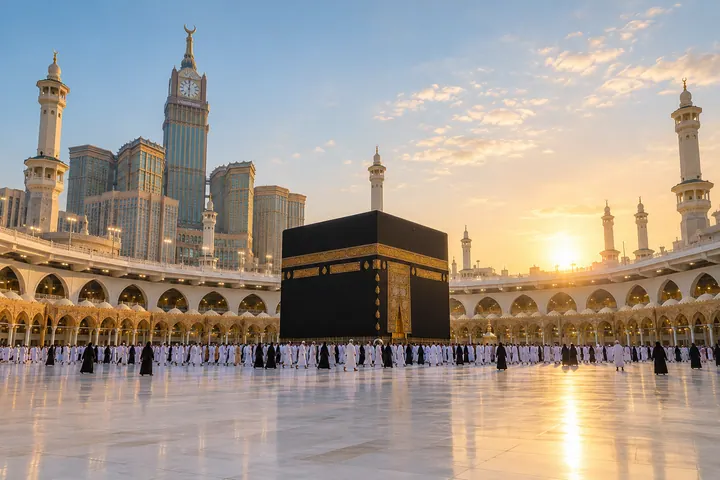
Build the travel around your confirmed permission, accommodation and practical needs.
Start with the people travelling
Write down the number of travellers and the time each person can take away from work or school. Consider how much travel the group can comfortably manage. A plan that looks short on a booking screen may still involve an early departure, airport waiting, transfers and a late hotel arrival.
Ask whether anyone needs practical help with walking, luggage or communication. Discuss specific assistance with the provider before booking and obtain qualified advice for individual health questions. A general travel article cannot decide whether a journey is suitable for a particular person's medical circumstances.
Choose your priorities together
Some families want fewer hotel changes. Others want to include Madinah and allow a longer stay. Agree which parts matter most before comparing offers. Otherwise, one person may choose the lowest flight price while another assumes the same offer includes a different airport, private transport and extra nights.
Our Umrah planning page is a starting point for a discussion. Ask the team to describe the proposed services for your group, then keep the final inclusions in a dated quotation. A package name alone is not a complete itinerary.
Keep visa, permit and bookings separate
A flight ticket is not entry permission. A visa is not a hotel booking. An Umrah permit is another item to check through the current official process. Keeping these parts separate makes it easier to see what is confirmed and what still needs action before departure.
The official Saudi tourist eVisa information includes Umrah, excluding Hajj. That does not remove the need to confirm eligibility, current visa conditions and the applicable Umrah arrangements. Check your route before buying inflexible services. Our document requirements guide explains the eligibility-first approach used by the travel desk.
Use official permit information
The official Nusuk Umrah permit service describes choosing an available date and time through its process. Review the current instructions rather than relying on a screenshot of someone else's earlier booking. Availability and seasonal arrangements should be checked for your own intended visit.
If your plans fall near a period with special access rules, ask about current official notices before committing. Avoid copying dates from an older year's Hajj arrangements. A website article may remain online after those dates have passed, so check both the source and the year.
Choose the arrival and departure cities
Discuss whether the proposed journey arrives in Jeddah, Madinah or another suitable gateway. The choice affects the rest of the itinerary, including transfers and hotel nights. Do not compare two flight totals without checking where each flight lands and what happens after arrival.
If the journey includes both Makkah and Madinah, decide the order and the transport between them. Confirm whether the return flight uses the same airport or a different one. A different departure city can change the plan substantially, so it needs to be part of the written itinerary from the start.
Draw the complete travel chain
A simple travel chain might read: home to airport, flight, arrival formalities, transfer, hotel, planned activities, onward transfer and return flight. Put an owner beside each part. Is it included with the provider, booked independently, or still waiting for confirmation?
This small list exposes gaps. A traveller may have a confirmed flight and hotel but no arrival transfer. Another may have a transfer only from a different airport. Catching those gaps early is easier than trying to arrange the missing service after a tiring journey.
Compare flights by the whole journey
Look beyond the first price shown. Check the operating airline, airports, dates, local departure and arrival times, baggage and change terms. If a connection is involved, understand how it works and what happens if there is a delay. Ask whether the booking is one protected itinerary or separate tickets.
Compare the travel time from your home to the final hotel, not just the time spent in the air. A cheaper flight at an awkward hour may require an extra hotel arrangement or a different transfer. The best option is the one that fits the whole plan and your confirmed budget.
Read the date around midnight
A departure shortly after midnight belongs to the next calendar day. Write the date clearly and plan when you need to leave home. Check the local time shown for each airport and appointment. Dubai and Saudi Arabia use different local times, so avoid describing everything simply as tonight or tomorrow morning.
Repeat the key details in one current travel note. If relatives are meeting you, share the flight number and confirmed arrival airport, then explain that the arrival estimate may change. Do not promise a fixed hotel arrival time before allowing for arrival formalities and the transfer.
Understand baggage before packing
Read the allowance attached to the exact fare. The same airline may sell different baggage options. Check the number and weight of checked bags and the permitted cabin items. Do not assume that a family can combine every allowance or that an extra shopping bag is automatically accepted.
Ask the carrier about items that need special handling, such as a stroller, mobility aid or unusual equipment. Follow current airline and security instructions for batteries, liquids and other restricted items. A general packing article does not replace those rules.
Keep a small arrival bag
Pack the permitted essentials you may need before reaching your room, such as your phone, charger, offline travel information and an ordinary change of clothing where suitable. Keep required documents accessible in the way instructed by the relevant authorities and carrier.
Check current airline arrangements if you plan to bring Zamzam water on the return journey. Do not assume that a special allowance applies to every route, fare or container. Ask the actual carrier and follow its instructions rather than copying another traveller's experience from a different flight.
Ask for a named arrival transfer
A transfer description should identify the airport, flight connection, meeting instructions and destination. Ask whether it is shared or private and whether the quoted vehicle fits your group and luggage. A car seat count alone may not show how several large cases will fit.
Find out how the provider handles delayed flights and how long any included waiting period lasts. Keep the correct contact details available offline. If the driver or meeting point changes, ask for a clear updated instruction through the verified booking channel.
Know what happens after landing
Allow for immigration, baggage collection and finding the meeting point. Avoid placing a tightly timed appointment immediately after the flight. The transfer provider can explain its arrangement, but it cannot guarantee how quickly every passenger will complete arrival formalities.
If you book transport independently, tell the hotel how you expect to arrive and confirm the address. Keep the exact hotel name in a form that is useful locally. Several hotels can have similar names, and a vague reference to a tower or district may cause confusion.
Match the hotel stay to the flight times
Check the actual hotel dates and the number of nights, not only the total number of travel days. A flight arriving early in the morning may reach the hotel before normal room availability. Ask what is arranged for that gap and whether early access is confirmed, requested or chargeable.
Do the same for departure. If the return flight is late, ask when the room must be vacated and where luggage can be kept if that service is available. Do not assume that the final hotel night covers the full calendar day until your flight.
Clarify room and access details
Ask about the room category, number of beds, sharing basis and included meals. Confirm how the hotel access is described and whether any shuttle or walking route is part of the arrangement. A short advertised distance does not describe every person's practical journey to the place they intend to reach.
Our guide to Umrah hotel room sharing and family planning explains the questions to ask about beds and occupancy. Use it alongside the flight plan so the accommodation matches the whole group.
Leave room for rest after arrival
Travel can be tiring even when the flight is short. Allow time to settle, understand the hotel and check the next day's arrangements. A packed first evening may look productive on paper but become difficult after an early start or an arrival delay.
Discuss the religious preparation for your route with a trusted qualified guide and use the official Nusuk guidance. Flight routing and the intended Umrah journey can affect preparation questions. Do not rely on a general travel booking note for an individual religious ruling.
Keep optional visits flexible
If you want additional visits, ask what is included, how transport works and what depends on access or availability. Keep optional sightseeing separate from the core travel and Umrah arrangements. An itinerary should make clear which activities are confirmed and which are only suggestions.
For a family, agree a simple meeting and communication plan. Save the hotel details and useful contact information offline. Avoid giving young children responsibility for documents or expecting every traveller to keep up with an unnecessarily busy schedule.
Plan Madinah as its own part of the journey
If Madinah is included, confirm the travel date, transport method and hotel nights. Ask how luggage moves between the cities and how the connection fits with check-out and check-in. A phrase such as Madinah included should be expanded into actual services and dates.
Where a visit requires a separate official booking or permit, follow the current process and availability. Do not assume that an agency's hotel confirmation guarantees access to every specific visit. Keep each official booking with the correct traveller and the correct date.
Make the transfer day manageable
A transfer day includes more than the vehicle or train journey. You need time to leave the first hotel, collect luggage, reach the departure point and settle at the next hotel. Ask what assistance is included at each end and what the traveller must arrange independently.
If you choose independent transport, confirm the current ticket rules, baggage allowance and reporting instructions with the actual provider. Avoid making the next hotel arrival depend on a connection with no margin. A modest buffer can make the day easier without adding unnecessary activities.
Compare air and bus plans fairly
Air travel may suit a shorter trip or a group that wants to reduce road time, but it brings airport, baggage and transfer questions. Bus travel has a different pattern of reporting, stops and arrival arrangements. Compare the complete journey rather than deciding that one method is always best.
Our Umrah by bus packing and departure guide covers the road-travel side. Read the relevant guide for the service being considered. A bus quotation and an air quotation may include different hotels, nights or support, so the totals alone may not be comparable.
Write down what your price includes
Separate flights, visas or assistance, accommodation, transfers, meals and optional services. Add taxes and other charges where applicable. Ask which items are confirmed and which are subject to final availability. Do not treat a website starting amount as the final cost for all dates and travellers.
The published rates page provides commercial starting points. A dated quotation should explain your actual proposed arrangement. If something important is absent, ask before paying rather than assuming that an attractive package name covers it.
Understand changes and cancellations
Flights, hotels, transfers and private assistance may have different terms. Ask what happens if a visa is delayed, a permit is unavailable or your own travel dates change. Read the conditions before committing. A provider may be able to explain options, but that does not make every third-party service refundable.
Keep the accepted quotation and confirmations together. If an itinerary changes, mark the old version as replaced and share the update with the travellers. Conflicting screenshots can cause the group to follow different times or arrive at different meeting points.
Use one contact plan
Ask who handles pre-departure questions and who to contact during travel for the services booked. Save the correct details with the booking reference. A general sales number and an arrival transfer contact may serve different purposes, so label them clearly.
For an ordinary service problem, describe the facts and the assistance needed. Keep receipts and relevant messages. For an urgent safety concern, follow the appropriate local emergency or official route. An agency contact is useful for the booking, but it should not be treated as a substitute for emergency help.
A simple four-stage planning method
First, confirm the travellers, purpose, official route and practical needs. Second, build a proposed chain of flights, transfers and hotel nights. Third, review the written inclusions, exclusions and change terms. Fourth, check the final confirmations and current official instructions before departure.
Each stage should close a different gap. A clear quotation does not prove that a visa has been issued. An issued visa does not prove that a room is ready at dawn. A hotel booking does not identify the airport meeting point. Keep asking what is confirmed until the whole chain is understandable.
Example: a family with an early arrival
Imagine a family choosing a flight that lands early in the morning. The airfare looks convenient, but the hotel room may not be available immediately. Before paying, they ask whether early room access is confirmed and how the arrival transfer will work with the luggage and waiting period.
They compare the total arrangement with a later flight rather than choosing on airfare alone. They also check that every traveller's documents and official requirements have been reviewed. Once confirmed, the family saves one itinerary showing local times, hotel dates, transfer instructions and the next contact.
This is an illustration, not a promise about a particular package. Its value is the method: find the gap before departure and ask for a clear answer. Good planning gives the family fewer decisions to make when everyone is tired and carrying bags.
A final review the evening before travel
Read the latest booking information before packing the last items. Check whether the airline or transfer provider has sent an update. Make sure the group is using the current itinerary, not a screenshot from an earlier quotation. Confirm the departure airport and reporting instructions, then plan the journey from home with a sensible margin.
Charge the devices you need and save essential information offline. Keep the hotel name, transfer instructions and relevant references easy to find. Discuss how the group will communicate if people become separated in a busy public area. A short, shared plan is easier to remember than several different instructions sent over many days.
Check the return before the outward journey begins
Review the return flight date and the final hotel night together. Ask when the return transfer will be confirmed and how any changes are communicated. If you booked part of the return independently, keep that responsibility visible. Do not assume that the team handling your arrival also arranged a separate service that was never included.
Leave room for ordinary spending and the services excluded from your quotation. Knowing what still needs to be paid is part of a calm plan. Keep receipts and use the agreed contact route if an unexpected charge does not match the written arrangement. This gives the team something clear to review instead of a vague report that the trip cost more than expected.
Ten frequently asked questions
1. What should an Umrah-by-air plan from Dubai include?
Include the official entry and permit checks, flights, baggage, arrival transport, hotel dates, room basis and return arrangements. Add any Madinah segment separately. Ask which parts are included with the provider and which remain your responsibility so there are no gaps between the confirmed services.
2. Does a flight booking include a Saudi visa?
Only if a clearly described visa-related service is included in the written scope, and an application still does not guarantee approval. A flight ticket itself is not entry permission. Check your appropriate route through current official guidance before treating the journey as ready.
3. Can a tourist eVisa be used for Umrah?
The official Saudi tourist eVisa information includes Umrah, excluding Hajj. You still need to meet the relevant conditions and check current permit and seasonal arrangements. Read your issued visa and use official Nusuk information for the separate Umrah process.
4. Which arrival airport should I choose?
Choose it as part of the whole itinerary, including the cities you plan to visit, transfers and hotel nights. Ask the team to compare suitable options for your group. The lowest flight price may not give the simplest or lowest-cost journey once the remaining services are added.
5. Is early hotel check-in guaranteed?
No. Ask whether early room access is confirmed, requested or subject to a separate charge. Match the hotel arrangement to the actual flight arrival. If there is a gap, agree what happens to the travellers and luggage instead of assuming a room will be available immediately.
6. How much luggage can I take?
Use the allowance for the exact fare and carrier. Check checked baggage, cabin items and any special equipment separately. Confirm current rules for the return journey too, including Zamzam water if relevant. Another traveller's earlier allowance does not establish the rules for your booking.
7. Does an Umrah package include Madinah?
Only when it is specified. Ask for the hotel nights, travel date, transport method and exclusions. A broad package name does not confirm the whole segment. Any separate official visit booking should also be checked through the current process and available dates.
8. Should I choose air or bus travel?
Compare the full journey, time available, practical needs and complete price. Each method has different baggage, reporting and arrival arrangements. Neither is automatically best for every family. Ask for comparable written plans rather than comparing two totals that include different services.
9. Are all bookings refundable if plans change?
No. Flights, accommodation and other services can have different terms. Ask about changes, cancellations and visa-related uncertainty before payment. Keep the accepted terms with the quotation. Do not assume that a general package description overrides the conditions of the actual services booked.
10. How can I ask Visa Arab Saudi for help?
Use the contact page or +971 52 757 3085 with your dates, traveller count and preferred trip length. Start with basic facts. The team can explain the proposed scope and the next document step without asking you to upload sensitive files through the public form.
Finish with one clear travel plan
Before departure, read the latest itinerary with the travellers. Check dates, local times, airports, luggage, hotel nights and transfer contacts. Review official entry and permit instructions again. A simple, accurate plan helps everyone understand the next step and makes the journey easier to manage.